
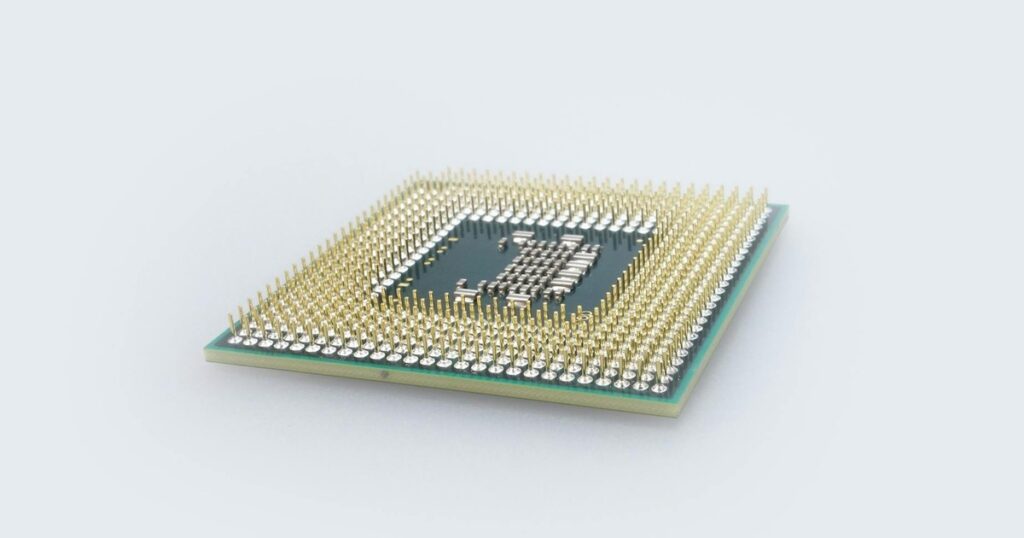
Evaluating new PC hardware now requires grappling with a market transformed by AI-driven demand. Data centers’ appetite for RAM and flash memory has pushed up costs for DDR5 modules, solid-state drives, and graphics cards across the board. Where a 32GB DDR5 kit and a capable 2TB SSD could be had for under $200 in mid-2025, today’s prices for similar parts have tripled or quadrupled. This backdrop sets the stage for Intel’s latest processor offerings.
Intel has introduced the Core Ultra 200S Plus series, specifically the Core Ultra 5 250K Plus at $199 and the Core Ultra 7 270K Plus at $299. These chips, still carrying the Arrow Lake codename from their predecessors, enter a landscape where component affordability has eroded significantly. Their performance metrics and efficiency stand out, but the broader economic context complicates any straightforward recommendation.
Benchmark results show these CPUs are capable performers. They handle multi-threaded workloads effectively, offering better value in that area compared to AMD’s similarly priced options. Power efficiency is another strong point, with the chips managing thermals and energy use competently. For tasks that leverage multiple cores, they present a compelling case against competing products.
However, gaming performance tells a different story. Even older AMD processors without 3D V-Cache technology maintain a slight advantage in frame rates and responsiveness. This edge, though small, means Intel’s offerings aren’t the top choice for pure gaming builds where every frame counts. Gamers prioritizing peak performance might still lean toward AMD’s lineup.
The value proposition of these CPUs is further undermined by system-level costs. A low processor price does little to offset the expense of other necessary components. Whether building a new system or upgrading an existing one, users face high prices for DDR5 memory and SSDs. Upgraders also confront the added cost of switching from DDR4 to DDR5, a significant investment that can overshadow CPU savings.
Intel’s platform decisions add another layer of limitation. The LGA 1851 socket provides no upgrade path, unlike AMD’s AM5 socket which supports future processor generations. This means buyers are locked into the current chipset without a straightforward way to upgrade later. In contrast, AMD’s approach offers more flexibility for long-term planning.
Historically, mid-generation refreshes like these would form the foundation of budget-oriented gaming PCs or workstations. The Core Ultra 200S Plus chips have the performance and efficiency to fit that role. Yet they launch at a time when value is scarce across most PC components. High memory and storage prices, combined with the lack of an upgrade path, create headwinds for adoption.
In summary, Intel’s Core Ultra 5 250K Plus and Core Ultra 7 270K Plus are technically sound processors. They excel in multi-threaded applications and power management, offering competitive pricing against AMD. But market conditions—soaring DDR5 and SSD costs, plus the inflexibility of Intel’s platform—dampen their overall appeal. For builders focused on total system cost and future-proofing, these factors require careful consideration.