
The Agentic AI Foundation, a pivotal initiative formed under the auspices of the Linux Foundation in December 2025, has achieved a groundbreaking milestone in the realm of artificial intelligence tooling. With the Model Context Protocol (MCP) from Anthropic reaching over 97 million installs by March 2026, this development signifies the fastest adoption of a developer standard in AI history. This article delves into the factors contributing to this remarkable growth, examining the contributions from key players such as Anthropic, OpenAI, and Block. At the heart of this movement is the Foundation’s commitment to a vendor-neutral approach, which has galvanized the industry to embrace a unified standard for agentic AI orchestration. As we navigate the nuances of this story, discover how this milestone is reshaping the development landscape and what it means for the future of AI tooling.
Context
In the rapidly evolving landscape of artificial intelligence, the Agentic AI Foundation has emerged as a beacon of standardization and collaboration. Established under the Linux Foundation’s umbrella in December 2025, the Foundation was conceived to address the growing need for interoperability among AI tools and platforms. Its mission is to create a cohesive ecosystem where diverse AI innovations can thrive without the constraints of proprietary interfaces. The Foundation’s commitment to open standards is a response to the fragmented nature of AI development, where bespoke solutions often hinder scalability and efficiency. By establishing a common framework, the Foundation aims to propel the industry towards a future where AI tools are universally accessible and seamlessly integrated.
The central tenet of the Agentic AI Foundation’s strategy is the standardization of tool-calling protocols, a critical advancement in the AI field. Anthropic’s Model Context Protocol (MCP) serves as a cornerstone of this effort, enabling large language models (LLMs) to interface with tool servers in a streamlined manner. This capability not only reduces development overhead but also democratizes access to cutting-edge AI functionality. The MCP’s unprecedented adoption rate underscores the industry’s recognition of its transformative potential. Alongside Anthropic’s contribution, OpenAI’s AGENTS.md and Block’s goose framework further solidify the Foundation’s role as a leader in AI standardization. These components collectively form a robust infrastructure that promises to redefine how AI tools are developed and deployed.
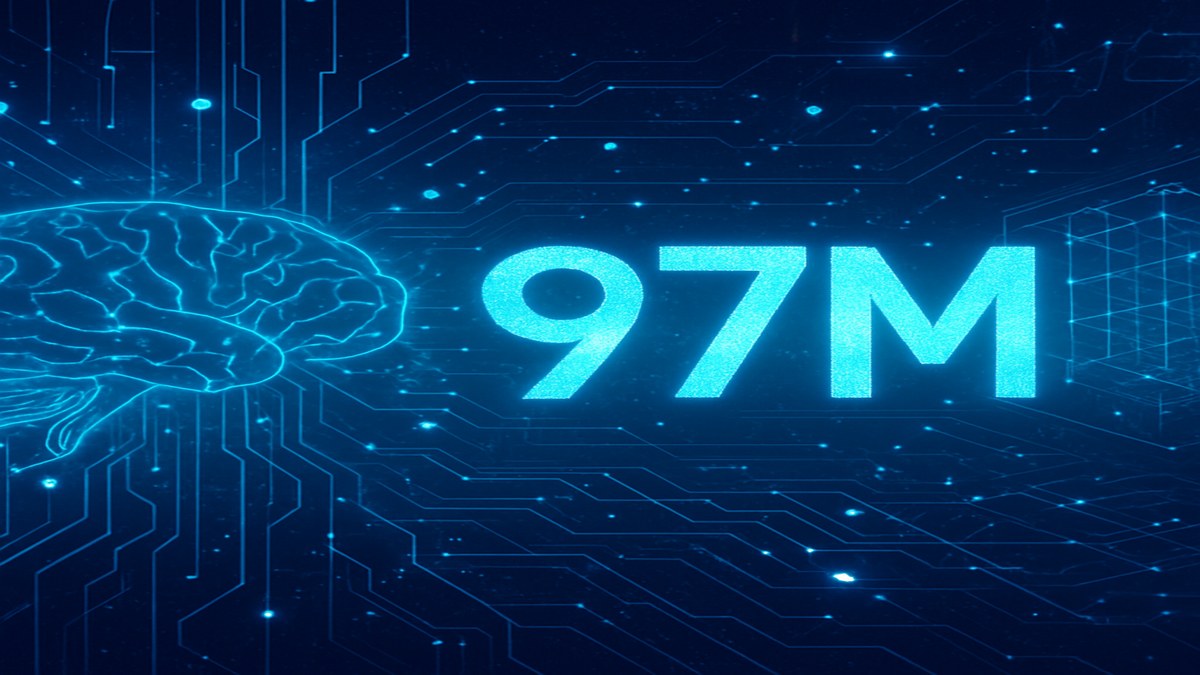
This week holds particular significance as it coincides with the announcement of MCP’s record-breaking adoption numbers at NVIDIA’s GTC 2026 conference. The event, a marquee gathering for AI and technology enthusiasts, has highlighted the theme of agentic orchestration, drawing attention to the newfound synergy between AI standards and practical applications. With MCP as a foundation, companies such as NVIDIA and Microsoft are showcasing groundbreaking deployments in industries ranging from manufacturing to finance. These developments underscore the Foundation’s impact on the AI landscape, positioning it as a catalyst for innovation and collaboration.
What Happened
The past few months have been a whirlwind of activity for the Agentic AI Foundation, culminating in the remarkable achievement of over 97 million installations of the Model Context Protocol (MCP) by March 2026. This milestone reflects the protocol’s meteoric rise as the fastest-adopted developer standard in the history of artificial intelligence. At the core of this success is the Foundation’s strategic vision, which emphasizes vendor neutrality and open-source collaboration. By ensuring that no single laboratory holds veto power over specification changes and mandating that contributions adhere to the MIT/Apache-2 licensing model, the Foundation has created an environment conducive to innovation and growth.
Central to MCP’s adoption surge is its role in facilitating seamless integration across a wide array of AI platforms. At the GTC 2026 conference, NVIDIA’s NeMoCLAW and Microsoft’s OpenCLAW were among the standout examples of MCP’s practical applications, both built upon the protocol’s robust framework. These tools have already been deployed in production by Fortune 500 companies, including BMW, Siemens, DHL, and JPMorgan, across diverse domains such as manufacturing, logistics, and finance. This widespread acceptance highlights MCP’s utility in bridging the gap between theoretical models and real-world applications, offering developers a powerful tool for enhancing AI capabilities.
The Agentic AI Foundation’s governance charter plays a crucial role in maintaining the integrity of the standardization process. By enforcing rigorous interoperability testing, the Foundation ensures that all production tools adhere to a universal interop suite, thereby eliminating the need for per-platform adapters. This commitment to compatibility has been a significant driver of MCP’s adoption, as developers recognize the value of a standardized approach that eliminates redundancies and streamlines the development process. As MCP continues to gain traction, its influence is expected to extend beyond the current roster of supported platforms, potentially reshaping the AI tooling landscape for years to come.
Why It Matters
The implications of the Agentic AI Foundation’s success extend far beyond the confines of the AI development community, influencing a myriad of stakeholders across the technology landscape. For developers, the advent of MCP and its accompanying protocols signifies a paradigm shift in how AI tools are created and deployed. By offering a unified platform for tool integration, developers can now focus on innovation rather than compatibility issues, accelerating the pace of AI advancements and reducing time-to-market for new solutions. This streamlined approach not only enhances productivity but also empowers smaller developers to compete on a more level playing field.
From an industry perspective, the widespread adoption of MCP heralds a new era of collaboration and interoperability. With major players such as NVIDIA, Microsoft, and OpenAI leading the charge, the stage is set for a proliferation of AI-driven solutions across various sectors. The protocol’s efficient integration capabilities are particularly advantageous for industries like manufacturing, logistics, and finance, where streamlined processes and enhanced decision-making capabilities can yield significant operational benefits. As more companies embrace MCP, the potential for cross-industry innovation grows, paving the way for transformative applications that can reshape entire sectors.
Moreover, the Foundation’s commitment to vendor neutrality and open standards aligns with broader societal goals of transparency and inclusivity in technology development. By removing barriers to entry and fostering a culture of collaboration, the Foundation is helping to democratize access to AI technologies, ensuring that the benefits of AI are distributed more equitably. This approach not only enhances the credibility of the Foundation but also strengthens the case for AI as a force for positive societal change. As the Foundation continues to evolve, its impact on the global AI landscape will likely be profound and enduring.
How We Approached This
In crafting this article, our editorial team at AI Pulse Weekly employed a comprehensive methodology to ensure accuracy and depth in our coverage. We meticulously analyzed press releases, conference presentations, and direct communications from the key players involved, such as Anthropic, OpenAI, and Block. Our focus was on presenting a balanced view of the developments, highlighting both the technical advancements and the broader implications of the Agentic AI Foundation’s initiatives. By leveraging our expertise in AI tooling and standards, we aimed to provide readers with an insightful analysis of the current landscape and its future trajectory.
Our editorial stance is rooted in pragmatism and benchmark-awareness, reflecting our commitment to delivering news that is both relevant and actionable for our audience. We chose to emphasize the interoperability and vendor neutrality aspects of the Foundation’s work, recognizing these elements as critical drivers of MCP’s success. In doing so, we sought to underscore the significance of open standards in fostering innovation and collaboration within the AI community. By weaving together technical details and industry perspectives, our goal was to offer a nuanced narrative that resonates with developers, industry leaders, and policymakers alike.
Frequently Asked Questions
What is the Model Context Protocol (MCP)?
The Model Context Protocol (MCP) is a tool-calling protocol developed by Anthropic, designed to enable seamless interaction between large language models (LLMs) and tool servers. It facilitates integration across different AI platforms without the need for bespoke adapters, making it a critical component of the Agentic AI Foundation’s effort to standardize AI tooling.
How does MCP benefit developers and companies?
MCP offers significant benefits by streamlining the development process and reducing the need for platform-specific adapters. Developers can write an MCP server once to connect tools with major clients like Claude, GPT-5.4, and Gemini 3.1, enhancing efficiency and expanding the reach of their tools. For companies, this means faster deployment of AI solutions and the ability to leverage AI capabilities with reduced overhead.
What role does the Agentic AI Foundation play in AI standardization?
The Agentic AI Foundation plays a pivotal role in advancing AI standardization by fostering collaboration among industry leaders and establishing open standards. Under its governance, protocols like MCP are developed and maintained with a focus on vendor neutrality and interoperability, ensuring that AI tools are accessible and integrated seamlessly across platforms, thereby driving innovation and growth within the AI sector.
As we look to the future, the momentum behind the Agentic AI Foundation and its protocols like MCP is set to continue shaping the AI landscape. With growing adoption and integration into industry operations, the Foundation’s efforts are likely to catalyze further innovation and collaboration. In an era where AI is increasingly central to technological progress, the Foundation’s role in standardization and interoperability will be crucial in defining the next chapter of AI development, ensuring that its benefits are harnessed effectively and equitably across the globe.